
- Conservative First: Movement and Physical Therapy
- Targeting the Pain: Medications and Injections
- The Next Step: Surgery and Alternative Options
Lower back pain is one of the most common reasons people visit the doctor, disrupting work, sleep, and the activities you love. Whether it’s a constant dull ache or a sharp, sudden pain, the question is always the same: “How do I find lasting relief?”
A Roadmap to Overcoming Your Back Pain: One Step at a Time
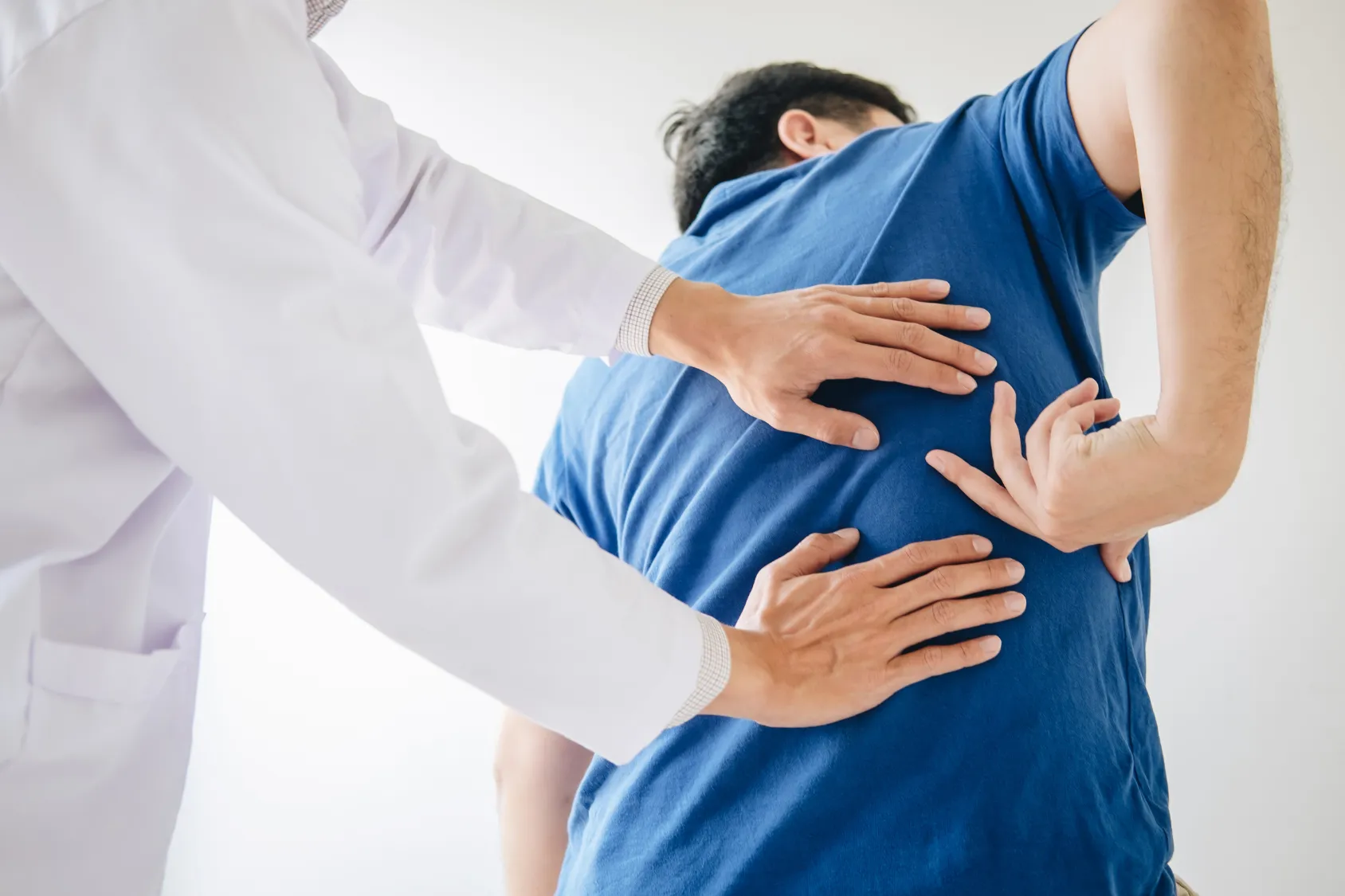
Finding the right treatment path can feel overwhelming, especially when you’re already in pain. At Sano, our goal is to get you moving comfortably and confidently again. Relieving back pain isn’t about a single magic fix; it’s about finding the right, personalized plan to get you back on track.
This guide shares different paths to relief including physical therapy, medication, surgery, and alternative therapies.
1. Conservative First: Movement and Physical Therapy
For the vast majority of lower back pain cases, the most effective and recommended starting point is conservative, non-invasive care. It might seem counterintuitive, but movement is often the best medicine.
The Role of Physical Therapy (PT)
This is the cornerstone of back pain recovery. A physical therapist (PT) doesn’t just treat the symptoms; they identify the underlying cause, whether it’s muscle weakness, poor posture, or mechanical issues.
- Pros: PT is a safe, long-term solution. It empowers you by teaching you how to manage your condition. A PT provides guided exercises to strengthen your core, improve flexibility, and correct posture, all of which protect your spine.
- Cons: It requires commitment. PT takes time, and results are gradual, not immediate. You must be an active participant and continue your exercises at home.
The Importance of Safe Movement
While bed rest was once recommended, we now know it can make back pain worse.
- What to do: Avoid activities that cause sharp pain, but continue gentle movement like walking. Light activity increases blood flow, reduces stiffness, and prevents muscles from weakening. Your provider can also recommend specific, gentle stretches (like knee-to-chest or cat-cow stretches) to relieve tension.
2. Targeting the Pain: Medications and Injections

When pain is too severe to allow for movement or participation in physical therapy, your doctor may recommend options to manage the inflammation and break the pain cycle.
Medical Management Options
These are intended to provide temporary relief so you can return to conservative care.
Over-the-Counter (OTC) Medications
- Pros: Non-steroidal anti-inflammatory drugs (NSAIDs) like ibuprofen or naproxen are easily accessible and effective at reducing the inflammation that often causes pain.
- Cons: They are not a long-term fix. Overuse can lead to adverse, or unwanted, drug reactions like stomach upset or kidney issues. They manage symptoms but don’t fix the root cause.
Prescription Medications
- Pros: In cases of acute muscle spasms, a doctor may prescribe a muscle relaxant. These can provide significant short-term relief.
- Cons: These medications can have side effects, including drowsiness, and are not intended for long-term use due to potential risks.
Epidural Steroid Injections
- Pros: For pain radiating down the leg (sciatica) caused by an irritated nerve, an injection can deliver powerful anti-inflammatory medicine directly to the source. This can provide rapid, significant relief.
- Cons: The relief is often temporary (lasting weeks to months). It doesn’t fix the underlying structural issue (like a herniated disc), but it provides a “window of opportunity” to make progress in physical therapy while the pain is reduced.
3. The Next Step: Surgery and Alternative Options
If your pain is severe, persistent despite months of conservative care, or accompanied by “red flag” symptoms, it may be time to discuss other interventions.
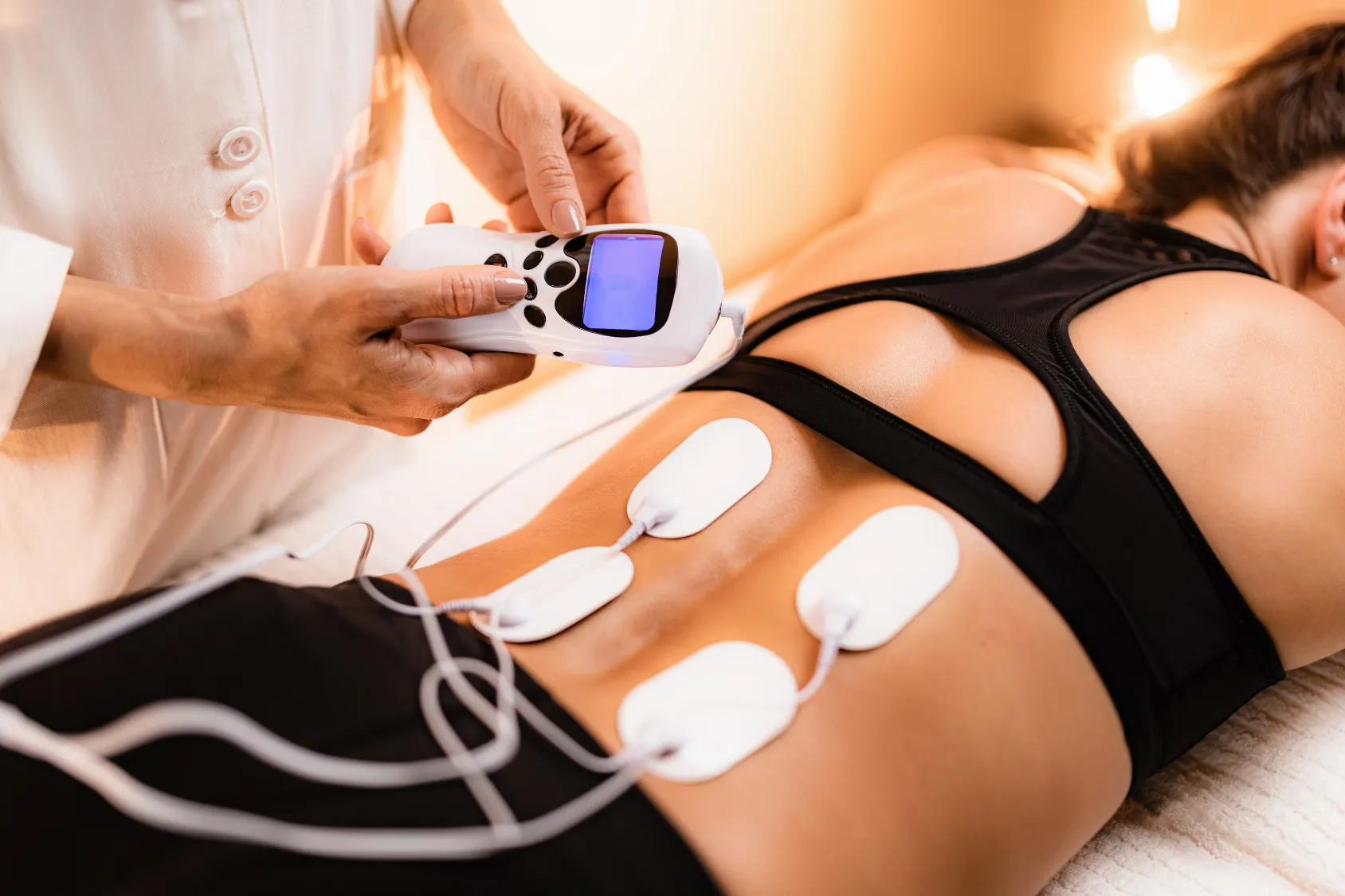
When to Consider Surgery for Lower Back Pain
Surgery is rarely the first option and is reserved for specific, diagnosed structural problems (like severe spinal stenosis, a significant herniated disc, or spinal instability) that have not responded to other treatments.
- Key “Red Flag” Symptoms:
- Progressive weakness or numbness in the legs.
- Pain that is unrelenting and disabling, even at rest.
- Loss of bowel or bladder control (This is a medical emergency—go to the ER).
Alternative & Complementary Therapies
Many patients find relief by supplementing their medical care with other approaches.
Talk to your orthopedic specialist about integrating options like:
- Acupuncture: Thin needles used to stimulate nerves and muscles to help relieve pain.
- Therapeutic Massage: A research-backed solution for muscle tension, spasms, and stiffness.
- New Treatments: Modern medicine is always changing and offering more ways to relieve chronic pain. Ask your specialist about new therapies if current treatment isn’t helping with pain.
Your Partner in Back Health
Finding the right path to relieve your lower back pain is a journey, and it often involves a combination of these approaches. You don’t have to take that journey alone.
If your back pain is interfering with your daily life, the specialists at Sano are here to help. We are dedicated to providing an expert diagnosis and a personalized, comprehensive treatment plan to get you back on track safely and successfully. Schedule an appointment or visit our walk-in clinics to talk to a back specialist.