

- What Might Cause a Tommy John Injury?
- 3 Questions to Ask if Your Elbow Hurts
- How Are UCL Tears Treated?
- UCL Tear Prevention vs. Treatment
- Frequently Asked Questions About Tommy John Injuries
For many Kansas City athletes, the thought of a Tommy John injury carries a lot of weight. Whether you’re a high school pitcher in Lee’s Summit or a competitive softball player in Overland Park, medial elbow pain is a red flag that shouldn’t be ignored.
But what actually happens during a Tommy John injury, and is surgery always the answer?
What Might Cause a Tommy John Injury?
The primary cause of a Tommy John injury is the intense, repetitive stress placed on the ulnar collateral ligament (UCL) during high-velocity throwing motions, typical in sports like baseball. Over time, this constant strain can result in micro-tears and gradual damage to the small band of tissue stabilizing the inner elbow.
While often stemming from overuse, the injury can also manifest as an acute event, such as a sudden, complete rupture of the UCL. Whether through chronic micro-tearing or an abrupt tear, the result is the same: the ligament fails to stabilize the elbow joint, often leading to a loss of throwing velocity or the feeling of “dead weight” in the arm.
3 Questions to Ask if Your Elbow Hurts
- Did you feel a pop? A sudden pop during a throw is a classic sign of an acute UCL tear.
- Is the pain localized? UCL pain is felt specifically on the bony part of the inner elbow.
- Are you losing velocity? If your arm feels like “dead weight” or you can’t hit your usual speeds despite giving 100%, your ligament may be failing to stabilize the joint.
How Are UCL Tears Treated?

Once a UCL tear is suspected (especially after experiencing a sudden pop, localized pain in the inner elbow, or a loss of throwing velocity), the next step is consulting a specialist for an official diagnosis. The initial decision is whether to pursue conservative treatment or surgery, and this choice is highly dependent on the location and severity of the tear as well as the athlete’s career goals.
Non-operative treatment, which includes rest, regenerative medicine, and physical therapy, is often explored first, but the need to return to high-velocity throwing frequently necessitates a surgical intervention.
For a competitive throwing athlete, the two main surgical pathways are UCL repair and UCL reconstruction (or Tommy John Surgery). UCL repair is a less invasive technique that involves reinforcing the native ligament with an internal brace, which can drastically reduce the recovery timeline to between six and ten months.
However, UCL reconstruction remains the gold standard for complete or severe tears. This procedure, which replaces the torn ligament with a tendon graft, requires a longer, more diligent rehabilitation process, typically taking 12 to 18 months for a baseball pitcher to make a full return to competition.
UCL Tear Prevention vs. Treatment
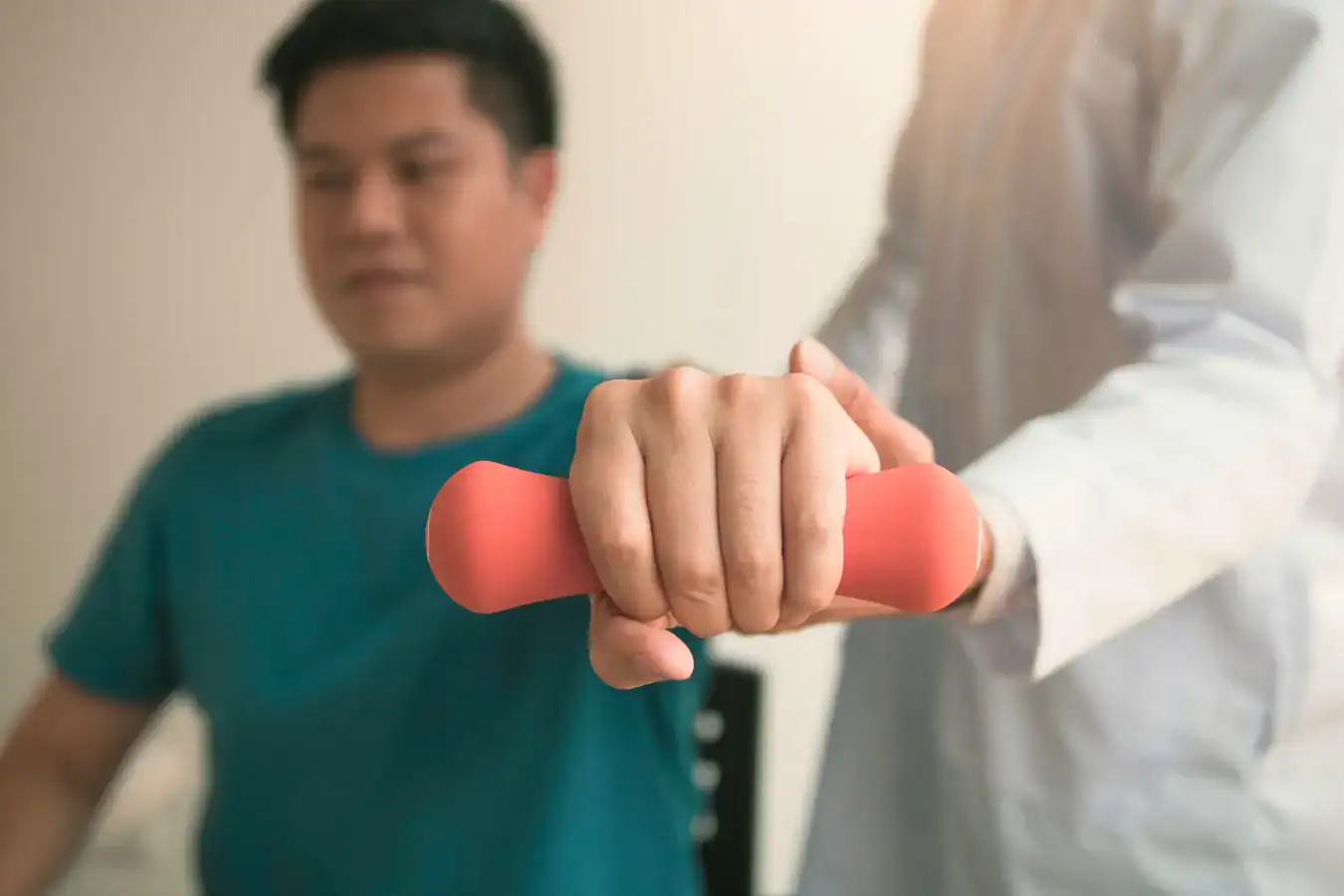
At Sano, we treat athletic injuries with an emphasis on prevention and long-term wellness. While we offer world-class Tommy John Surgery, our goal is to help you avoid the operating table through conservative methods, such as:
- Pitch Count Management – Adhering to age-appropriate guidelines.
- Mechanical Analysis – Correcting arm-heavy throwing motions.
- Functional Strength – Building the supporting muscles of the forearm and shoulder.