
For runners, your shoes are more than just an accessory. Running shoes are the primary piece of equipment that directly impact a runner’s performance, comfort, and, most importantly, injury prevention.
There’s no single “best” shoe. The best shoe is the one that’s best for you.
Your unique biomechanics, running style, and training goals all play a role in determining the ideal footwear. Forget chasing trends or what your running buddy swears by. Hear what Elliott Wityk, DPM, FACFAS, board-certified foot and ankle specialist at Sano, says truly matters when picking the best running shoe for you.
The Foundation: Fit and Feel Are King
Before we talk about fancy foams or carbon plates, the absolute most important factors are shoe size and shoe fit. This might seem obvious, but it’s where many runners go wrong. Picking the wrong shoe can also lead to foot and ankle injuries or exacerbate conditions. Before you start running, make sure that your feet and ankles are set up for success.
1. Shoe Size
Your running shoe size might be different from your casual shoe size. As you run, your feet swell, so you need a little extra room. As Dr. Wityk says, “a good rule of thumb is to try and go one half size larger than the shoe size that you would wear for your standard day-to-day shoe.”
This prevents your toes from jamming against the front, which can lead to blisters and black toenails. Always try on shoes in the late afternoon or evening when your feet are at their largest. For those unsure of their size, visiting a specialist or a good running shoe store is recommended for accurate measurement.
2. Overall Shoe Fit for Runners
Beyond length, the shoe should feel snug but not tight around your midfoot and heel. Your heel shouldn’t slip significantly when you walk or run. Pay attention to the toe box – your toes should be able to splay naturally, not feel cramped.
If a shoe doesn’t feel comfortable right out of the box, it’s not the right shoe for you. There shouldn’t be a “break-in” period with running shoes; they should feel good from the first step.
Bring the socks you typically run in when you go shoe shopping, and if you use orthotics, bring those too.
3. Your Foot Type and Pronation
As a runner, Dr. Wityk mentions that it’s important to know what type of a runner you are and your natural running gait. Are you a “neutral runner, more of a pronation type gate runner, or what’s called a supination type gate or a high arch gate?”
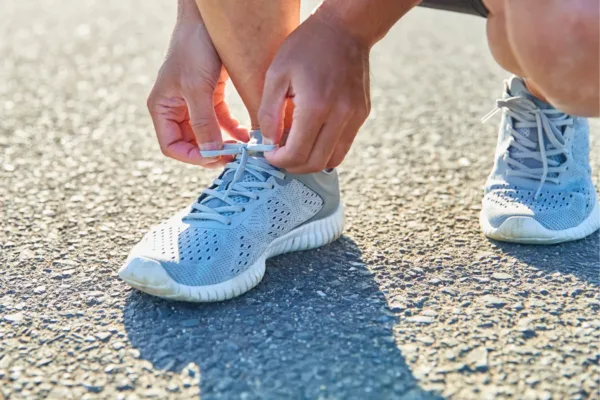 Here is how to tell what type of runner you are:
- Pronation refers to the natural inward roll of your foot during your stride.
- Neutral Pronation: If your foot rolls inward about 15 degrees, distributing impact evenly, you likely have neutral pronation. Neutral shoes are typically the best choice for you, offering cushioning and flexibility without extra stability features.
- Overpronation: If your foot rolls excessively inward, you might benefit from stability shoes. These shoes have features like a medial post (a firmer density foam on the inside of the midsole) to help control the inward motion and provide more support.
- Supination (Underpronation): If your foot doesn’t roll inward enough, or rolls outward, you supinate. You’ll generally want neutral shoes with plenty of cushioning to help absorb impact, as your feet aren’t naturally doing as much of the shock absorption.
How to Tell the Difference When Picking a Running Shoe?
Not sure what type of runner you are or what shoe would best support your style? Different shoe brands and models can “help to compensate and correct for those types of biomechanical changes that happen for runners,” according to Dr. Wityk.
A specialist at a running shoe store can perform a gait analysis, observing how your foot moves while you run. This is highly recommended for accurate assessment.
4. Cushioning Level
This refers to the amount of padding and shock absorption provided by the midsole.
- Maximal Cushioning: These “maximalist” shoes offer thick midsoles for a plush, soft ride. Great for long runs, recovery days, or runners who prioritize comfort and impact absorption.
- Moderate Cushioning: A balanced option, providing comfort and responsiveness. This is a versatile category suitable for a wide range of runners and distances.
- Minimal Cushioning: For those who prefer a more “natural” feel and ground connection. These are lighter and more flexible but offer less shock absorption.
- Barefoot Shoes: The most extreme end of minimalism, with very little to no cushioning and zero drop, aiming to mimic barefoot running.
5. Heel-to-Toe Drop (Offset)
As a runner, you might want to pay attention to “heel-to-toe drop” as well. This is the difference in height between the heel and the forefoot of the shoe, measured in millimeters.
What does it mean for running shoes?
Higher Drop (10mm+)
Traditional running shoes often have a higher drop, which can promote a heel-strike landing and may be beneficial for runners prone to calf or Achilles issues by reducing strain on those areas.
Lower Drop (0-6mm)
These shoes encourage a more midfoot or forefoot strike, which some runners prefer for a more natural stride.
6. Running Surface
Where do you like to run? This also factors in when picking the best shoe for your run time.
- Road Running Shoes: Designed for pavement, sidewalks, and treadmills. They are typically lighter, more flexible, and have flatter, smoother outsoles for consistent traction on hard, even surfaces.
- Trail Running Shoes: Built for uneven terrain, dirt paths, and rocks. They feature more aggressive outsoles with deeper lugs for enhanced grip and traction, and often have more protective uppers.
- Cross-Training Shoes: A good option if you do a variety of workouts, offering a balance of cushioning and stability for both gym activities and short runs.
7. Weight
Finally, running shoes have different weights, and you should consider what is best for your body and running style.
- Lighter shoes generally feel faster and are preferred for speedwork or races.
- Heavier shoes often come with more cushioning and support, making them ideal for daily training and long runs where comfort and protection are paramount.
When to Say Goodbye: Replacing Your Running Shoes
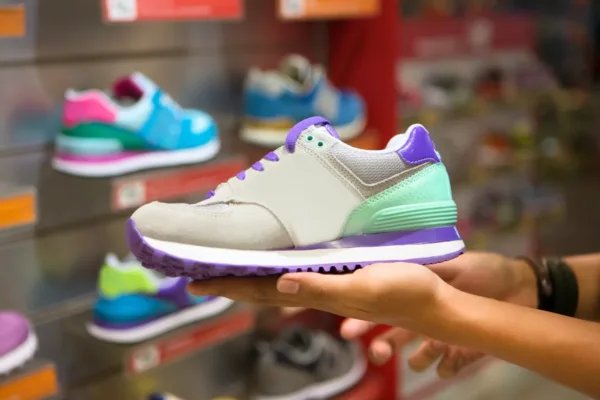 Even the perfect pair of running shoes has a lifespan. Running shoes typically last between 300 and 500 miles (500 to 800 kilometers). However, this can vary based on your weight, running style, and the terrain you run on.
Signs It’s Time for New Running Shoes
- Flat Cushioning: The midsole feels rigid, flat, or unresponsive when you press on it. The bounce is gone.
- Visible Wear: The outsole tread is smooth or unevenly worn. The upper might be fraying or tearing.
- New Aches and Pains: Unexpected soreness in your feet, ankles, knees, hips, or lower back after runs. This is often the most critical sign that your shoes are no longer providing adequate support.
- Running Feels Harder: If your runs suddenly feel more difficult or you’re tiring faster, your shoes might be the culprit.
The Bottom Line: Your Body Knows Best
Ultimately, the “best” running shoe is the one that allows you to run comfortably, efficiently, and without pain. Having a “good foundation with a little kind of simple education as a baseline can make a big difference for runners to avoid injury and a lot of common foot problems,” says Dr. Wityk.
Don’t be afraid to try on multiple pairs from different brands and models. Take them for a quick spin on the treadmill if the store has one. Listen to your body – it’s the ultimate judge. Investing in the right running shoes is investing in your health, performance, and the longevity of your running journey. Happy running!
If you’re having trouble running or experiencing pain in your feet or ankles, talk to one of our orthopedic specialists.
For more insights from our orthopedic experts and foot doctors, visit the Sano Specialty Care YouTube Channel.