


As the school year kicks into high gear, so do youth sports! Whether it’s football, soccer, volleyball, or cross country: participation in athletics is an excellent way for young people to stay active, learn teamwork, and build confidence.
With intense training schedules and competitive games comes the risk of sports injuries. At Sano, our goal is to keep every young athlete healthy, strong, and in the game. Injury prevention isn’t just about luck, it’s about smart training and preparation.
How to Prevent Youth Sports Injuries
1. Prepare to Perform: The Importance of Warm-up and Cool-down
One of the simplest and effective ways to prevent muscle strains is by consistently following a proper warm up routine before activity.
The Dynamic Warm-up
A quick static stretch right before a game is not enough. A dynamic warm-up is essential because it prepares the body for activity by increasing blood flow, heart rate, and muscle temperature. A dynamic warm-up is one that involves movement.
What to do: Dedicate 10 to 15 minutes to light aerobic activity followed by dynamic stretching.
- Light Cardio: Jogging, jumping jacks, or high knees.
- Dynamic Stretches: Leg swings, arm circles, torso twists, and walking lunges.
The Post-Game Cool-down
 After practice or a game, the body needs time to safely return to its resting state. The cool-down helps reduce muscle soreness and stiffness.
What to do: Dedicate 5 to 10 minutes to light activity followed by static stretching.
- Light Activity: A slow walk or light jog.
- Static Stretches: Holding stretches (like hamstring, quad, or triceps stretches) for 30 seconds each.
2. Listen to Your Body: Recognizing Signs of Overuse
Many injuries in young athletes are not from a sudden trauma (like a sprained ankle) but from overuse. This happens when repetitive stress doesn’t allow the body enough time to recover, leading to gradual breakdown of tissue.
Key Signs of Overuse Injury
Parents and athletes should be vigilant about these subtle but important signals:
- Persistent Pain: Any pain that lasts more than a day or two, especially if it gets worse with activity.
- Changes in Performance: A noticeable drop in speed, strength, or stamina that isn’t due to normal fatigue.
- Swelling: Any swelling or tenderness around a joint or bone.
- Changes in Mechanics: Favoring one side of the body or noticeable changes in running, throwing, or jumping form due to discomfort.
Don’t ignore the ache! Pushing through pain can turn a minor issue into a major injury requiring prolonged time off. If a young athlete reports pain, it’s time for rest and a potential evaluation by an orthopedic specialist.
3. Fuel and Fortify: Rest, Nutrition, and Hydration
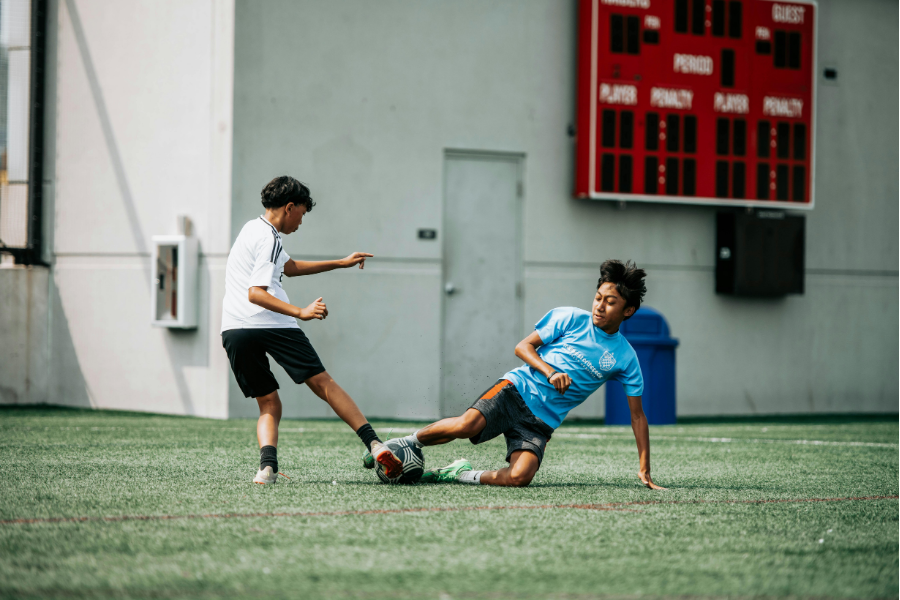 A well-conditioned body is a resilient body. Training hard is important, but recovery is when the body actually gets stronger.
- Prioritize Rest: Young athletes need more sleep than adults—aim for 8-10 hours per night. If your child plays one sport year-round or plays multiple sports simultaneously, ensure they have scheduled days off each week to prevent burnout and overuse.
- Stay Hydrated: Dehydration can lead to muscle cramps, fatigue, and poor focus. Encourage water consumption before, during, and after every practice and game.
- Eat Smart: Fuel your body with a balanced diet rich in lean protein for muscle repair, complex carbohydrates for energy, and plenty of fruits and vegetables for essential nutrients.
Your Partner in Sports Safety
Sports are a fantastic part of a young person’s life, and with smart training, they can enjoy their season injury-free.
If your young athlete is experiencing persistent pain, has suffered an acute injury, or needs guidance on returning to play safely, the specialists at Sano are here to help. We are dedicated to providing the expert care needed to get your athlete back in the game safely and successfully. Schedule an appointment or find a walk-in clinic to talk to a doctor today.